Friday, January 9th, 2026
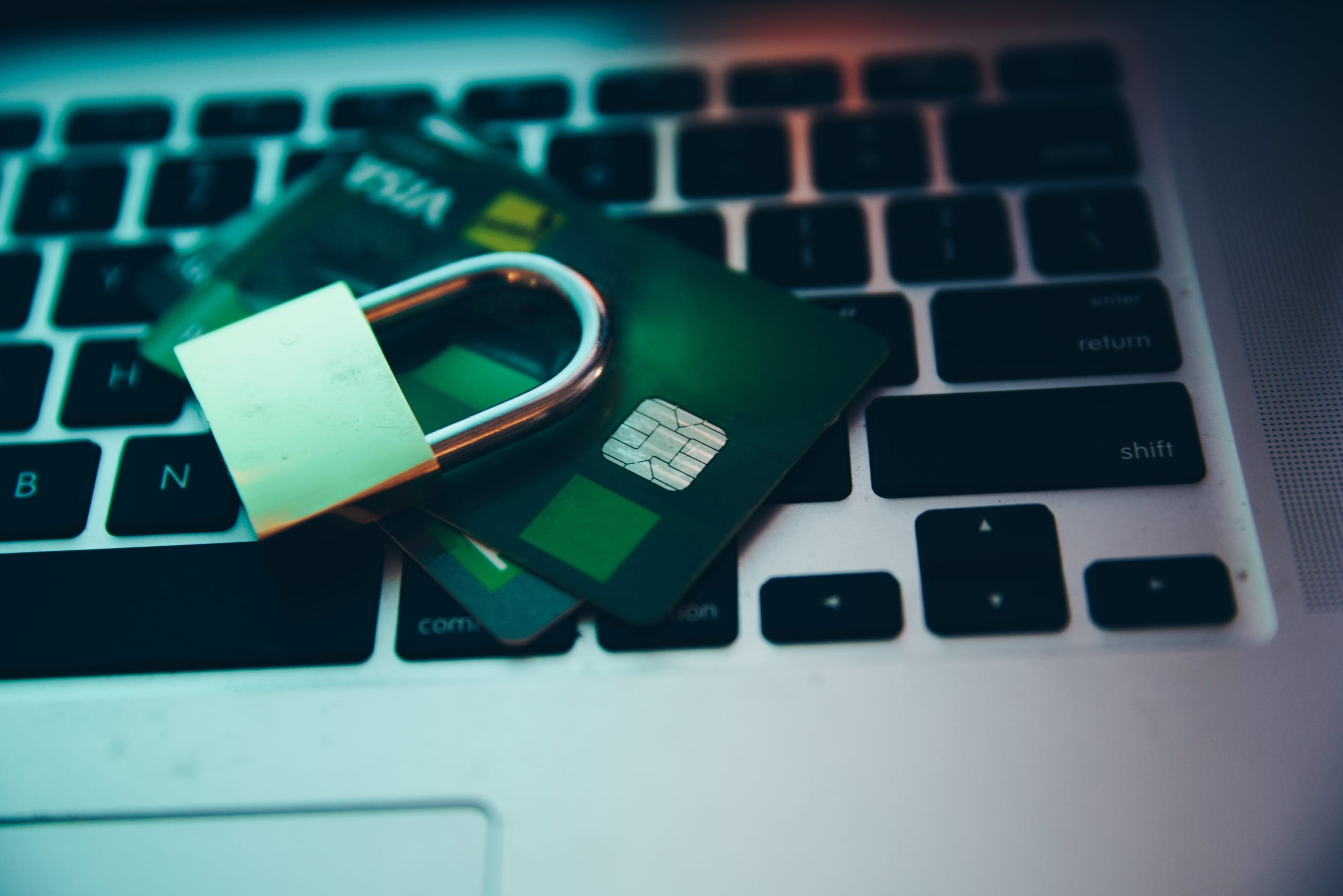
Identity theft remains one of the most persistent financial risks facing individuals today. Recent data show that more than 1.1 million identity theft complaints are reported to U.S. authorities each year, and Americans lose nearly $47 billion annually to identity fraud and scams—underscoring how widespread and costly this problem remains. These incidents range from credit card fraud and account takeovers to tax fraud and new-account scams.
You may already be doing everything you can to protect yourself—or you may not realize how exposed your information is. Either way, recognizing the warning signs early and taking proactive steps can help limit financial damage and long-term disruption.
Below are common red flags to watch for and practical steps you can take to protect your financial life.
Signs Your Identity May Have Been Compromised
1. Alerts About Unusual Account Activity
Banks, credit card companies, and online platforms often send alerts when they detect logins from unfamiliar devices or locations. These alerts matter. Even if the account doesn’t hold money, it may provide access to personal information that criminals can use elsewhere.
What to do:
Enable multi-factor authentication on all financial and personal accounts. Use strong, unique passwords and update them regularly to reduce the risk of repeat breaches.
2. Small or Unfamiliar Charges
Identity theft often starts small. Fraudsters frequently test stolen card numbers with low-dollar transactions before attempting larger purchases.
What to do:
Review account activity frequently, not just once a month. Transaction alerts can notify you immediately when a charge posts, giving you time to act before losses grow.
3. Missing Bills or Account Statements
When statements stop arriving unexpectedly, someone may have changed your mailing address to intercept financial information.
What to do:
Track delivery patterns for financial mail. Consider secure online statements so you can monitor activity in real time.
4. Packages You Didn’t Order
Unexpected deliveries may signal that someone used your payment information without your knowledge. In some cases, scammers test stolen credentials before redirecting shipments elsewhere.
What to do:
Review recent purchases immediately and report any unauthorized charges to your card issuer.
5. Increased Scam Emails, Texts, or Robocalls
A surge in phishing attempts may indicate your information was exposed in a data breach or sold on the dark web.
What to do:
Avoid sharing personal information unless you initiated the contact. When in doubt, hang up or ignore the message and contact the company directly using a verified phone number or website.
6. Credit Inquiries or Denials You Don’t Recognize
Unauthorized credit applications often surface as unexplained credit inquiries or sudden denials for loans you never requested.
What to do:
Review your credit reports regularly. U.S. consumers can access free credit reports from all three major bureaus on an ongoing basis through AnnualCreditReport.com.
Why Identity Theft Affects More Than Just Your Accounts
Identity theft doesn’t only cause short-term inconvenience. Even minor fraud incidents can create ripple effects that interfere with long-term financial planning. These may include:
- Lower credit scores and higher borrowing costs
- Delays in mortgage, auto, or business loan approvals
- Complications with investment accounts or retirement plans
- Time-consuming administrative and legal recovery efforts
Protecting your identity helps protect your overall financial stability.
What to Do If You Suspect Identity Theft
If something feels off, act quickly. Early action can significantly reduce damage.
- Contact your bank, credit card issuer, or lender immediately
- File a report with gov, the Federal Trade Commission’s official recovery site
- Place a fraud alert or credit freeze with the major credit bureaus
- File a police report if there is clear evidence of criminal activity
- Notify relevant agencies for specific types of fraud, such as Social Security or tax-related identity theft
Practical Ways to Reduce Your Risk
While identity theft continues to evolve, consistent habits can lower your exposure:
- Use strong, unique passwords for each account
- Enable two-factor or multi-factor authentication wherever available
- Avoid clicking suspicious links or downloading unknown attachments
- Shred sensitive documents before discarding them
- Monitor bank, credit card, and investment accounts regularly
- Consider credit monitoring or identity protection services
Staying Proactive Protects Your Financial Plan
You can’t eliminate identity theft risk entirely, but awareness and preparation make a meaningful difference. Small actions—such as reviewing statements, securing accounts, and monitoring credit—can help you detect problems early and limit long-term consequences.
At Navalign Wealth Partners, we believe protecting your financial foundation includes safeguarding your personal and financial information. If you’d like to review your financial security strategy or discuss steps to help reduce identity-related risks, we’re here to help.